A federal judge issued a ruling on Saturday that temporarily blocks the Trump administration from closing East Potomac Park. The court decision prevents the closure from taking effect for at least another two weeks, marking a significant procedural setback for the executive branch.
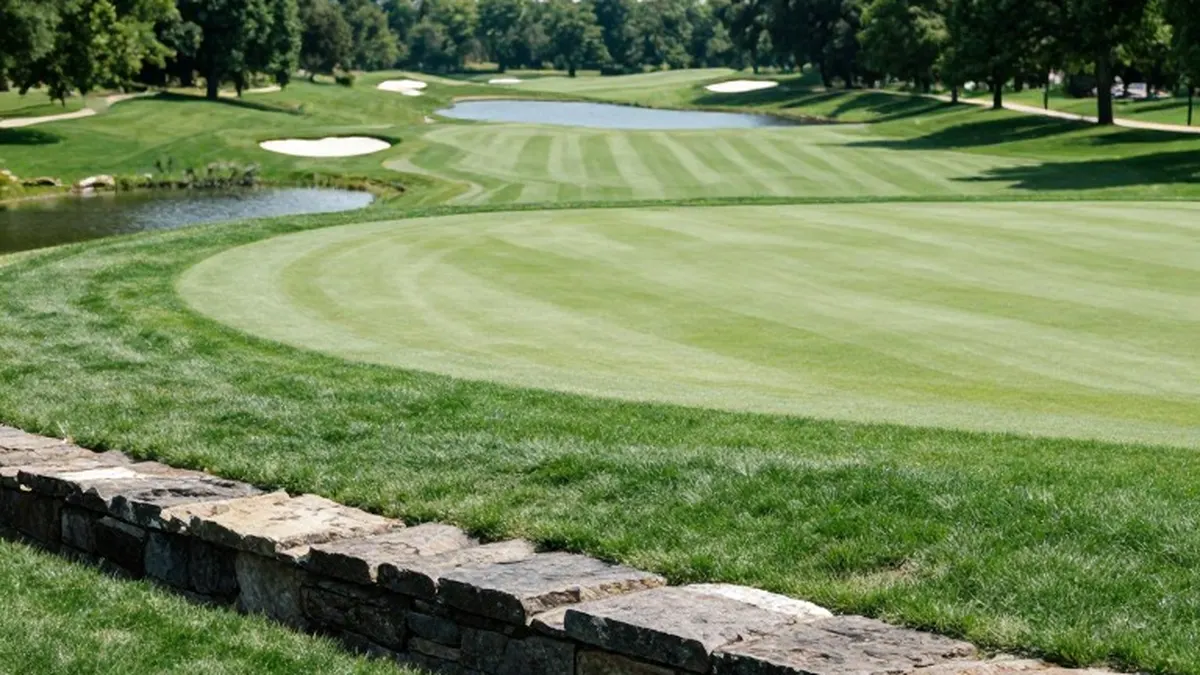
President Donald Trump had announced that the park would close on Sunday to allow construction to begin on an 18 hole championship length golf course. The course is designed by architect Tom Fazio and is intended to accommodate major professional tournaments.
U.S. District Judge Ana Reyes determined that the park shall remain open and accessible to the public. She permitted only routine temporary closures necessary to address imminent threats to public safety. In her thirty page opinion, the judge stated that the indefinite closure would cause irreparable harm to regular users and runs counter to the public interest in utilizing national parkland.
Reyes noted that the government had not plausibly identified any specific harm it would suffer from preserving the current status quo while further legal proceedings take place. This order expands on an earlier ruling that blocked the administration from cutting down additional trees on the park grounds. That previous decision followed the abrupt removal of hundreds of trees in October.
The ruling came after an hours long hearing on Friday. During the proceedings, Judge Reyes appeared skeptical of the Justice Department's rationale for the sudden closure of East Potomac Park and Hains Point. She repeatedly pressed legal representatives on the urgency of the proposed shutdown.
A top lawyer for the Justice Department argued that the closure was necessary to address safety hazards, including a damaged seawall that causes regular flooding. The lawyer also cited the fact that the National Links Trust, the nonprofit that operated the courses, was ceasing operation control on Sunday.
However, Judge Reyes pointed out that the deteriorating condition of the seawall had been documented for more than a decade. She described the lack of an operator as self inflicted, noting that the administration had terminated the lease with the National Links Trust last year.
A Justice Department spokesperson stated that the National Park Service can limit access when the public is at risk. The spokesperson added that the court order does not preclude planning for the development of the new golf course from continuing. The department said it would vociferously defend the administration's agenda in court.
The decision is a temporary victory for a preservationist group and two local golfers who sued to stop the project. They argue that the safety rationale is a pretext to move forward with the president's vision for the golf course. Catherine Carroll, a senior legal advisor at Democracy Forward, expressed gratitude for the court's intervention to prevent irreparable harm.
Critics of the proposed design argue that the course, which would stretch more than 8,000 yards from the back tees, could reduce accessibility for beginner and casual golfers. The park's future remains unsettled, and it is unclear how the course will operate under the new judicial order.