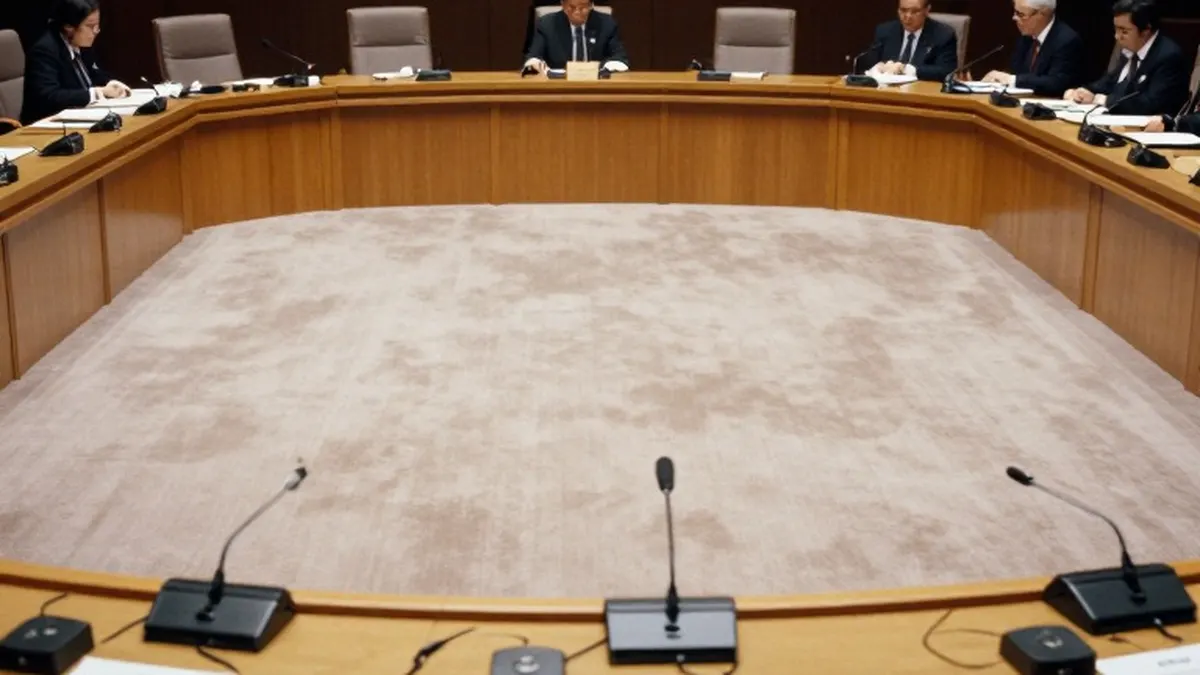
A summit of French-speaking countries in Phnom Penh postponed its leadership election for one year on Monday, November 16, after the Democratic Republic of Congo threatened to withdraw from the organisation. The decision followed a dispute between DR Congo and neighbouring Rwanda over the prospect of another term for the incumbent secretary general.
The Organisation Internationale de la Francophonie, or OIF, had been scheduled to select its next chief during the gathering in the Cambodian capital. According to sources familiar with the matter, Rwanda's Louise Mushikiwabo will continue to lead the organisation during the postponement, but Rwanda will not put forward a candidate when the election takes place.
DR Congo had nominated its own contender and warned that it would leave the OIF if Mushikiwabo secured a third consecutive term on Monday. The disagreement comes amid accusations by Kinshasa that Rwanda supports the activities of the M23 armed group inside DR Congo. Kigali denies those accusations.
A Congolese withdrawal would have dealt a significant setback to the OIF, a post-colonial organisation comparable to the Commonwealth that includes 53 members and dozens of associates. OIF figures put the number of French speakers in DR Congo at 57.3 million, making it second only to France. Mali, Niger and Burkina Faso left the organisation last year after successive coups replaced governments friendly to Paris with pro-Russian military juntas.
French President Emmanuel Macron attended the summit with Congolese President Felix Tshisekedi and Rwandan President Paul Kagame. Macron had urged members to remain united, but his attempts to ease the leadership dispute provoked anger in Rwanda and renewed discussion about the influence France, a former colonial power, holds within the organisation.
A source in Macron's office welcomed the delay, saying it would provide an opportunity to reform the process for appointing the secretary general. The source said the arrangement could help bridge divisions and maintain consensus among members, while praising their willingness to take responsibility.
Congolese Foreign Minister Therese Kayikwamba Wagner also supported the outcome. In a post on X, she described it as a "wise compromise" that would help "preserve the unity of the Francophonie".
Former Romanian prime minister Dacian Ciolos, one of four candidates seeking the leadership, offered a more critical assessment, calling it a "very sad day" for the organisation. In a statement, he said rebuilding trust among members must be the overriding priority if the Francophonie is to remain relevant.