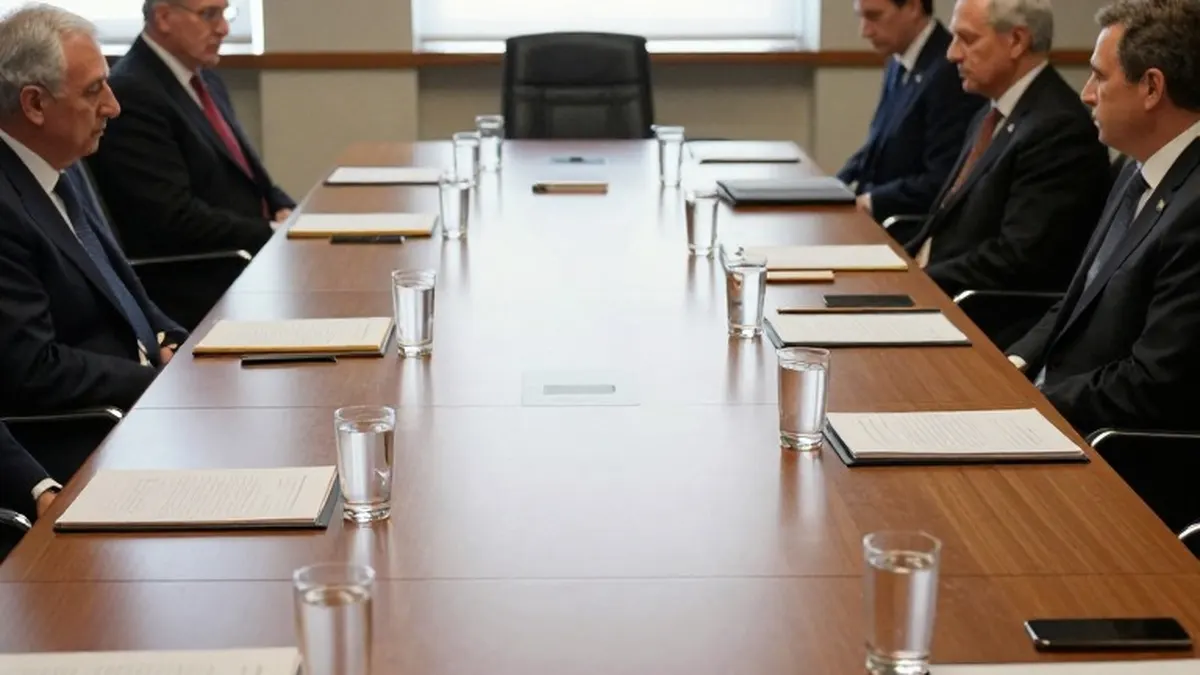
Gadi Eisenkot and fellow party leaders met on Tuesday morning, November 3, for their first joint gathering since the elections, ahead of consultations on forming Israel’s next government. The leaders have said they intend to recommend Eisenkot to form the government when talks begin at the President’s Residence, but the election results leave the route to a coalition unresolved.
The meeting brought together Eisenkot of Yashar, Naftali Bennett of B’Yachad, Avigdor Liberman of Yisrael Beytenu and Yair Golan of the Democrats. Outgoing opposition leader Yair Lapid, also of B’Yachad, attended as well. On arrival, Lapid stressed the need to establish a government and alleged that efforts were being made to undermine the election outcome.
Lapid described those alleged efforts as serious and dangerous. He also said developments over the preceding few days reinforced the need to remove Benjamin Netanyahu from the Prime Minister’s Office. His remarks came as the party leaders prepared for the presidential consultations that will precede efforts to assemble the next government.
President Isaac Herzog is scheduled to begin meeting representatives of parties elected to the 26th Knesset on Wednesday, November 4, with the smallest factions appearing first. Religious Zionism-Zehut is due to open the consultations at 5 p.m. The schedule concludes with Likud at 8:30 p.m. on Thursday, November 5.
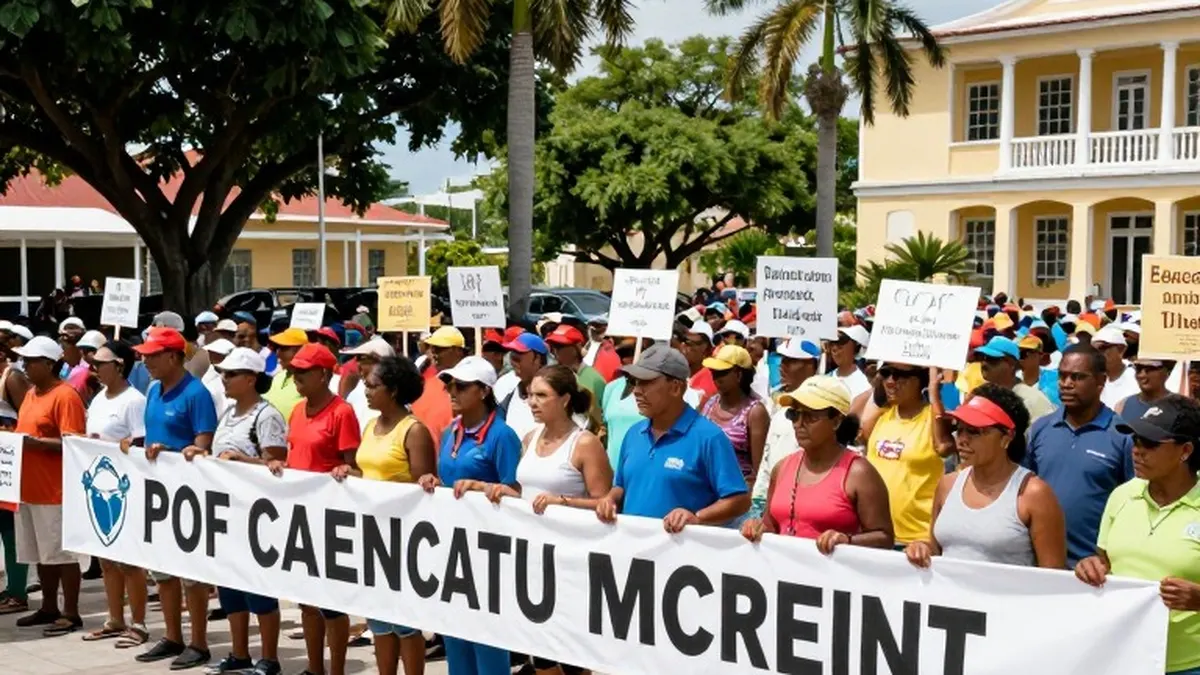
Outside the leaders’ meeting, victims of the October 7, 2023, Hamas attacks and relatives of those killed called for a government that would replace Netanyahu. They urged the participants to use their electoral mandate and reject compromises that, in their view, would legitimize leaders who were in office during the attacks. The group cited 67 seats as a mandate for change, referring to the opposition bloc’s combined representation with the Arab parties.
The election gave Netanyahu’s bloc 53 seats and the opposition bloc 48, leaving both below the 61 seats needed for a Knesset majority. Arab parties have indicated that they are willing to cooperate with the opposition in efforts to replace Netanyahu, although an agreement on forming a government remains uncertain.
Coalition negotiations could still produce an agreement despite the deadlock. Possible outcomes include a unity government involving Netanyahu and members of Eisenkot’s bloc, or a minority government. If the parties cannot find a way forward, the impasse could ultimately result in another election.