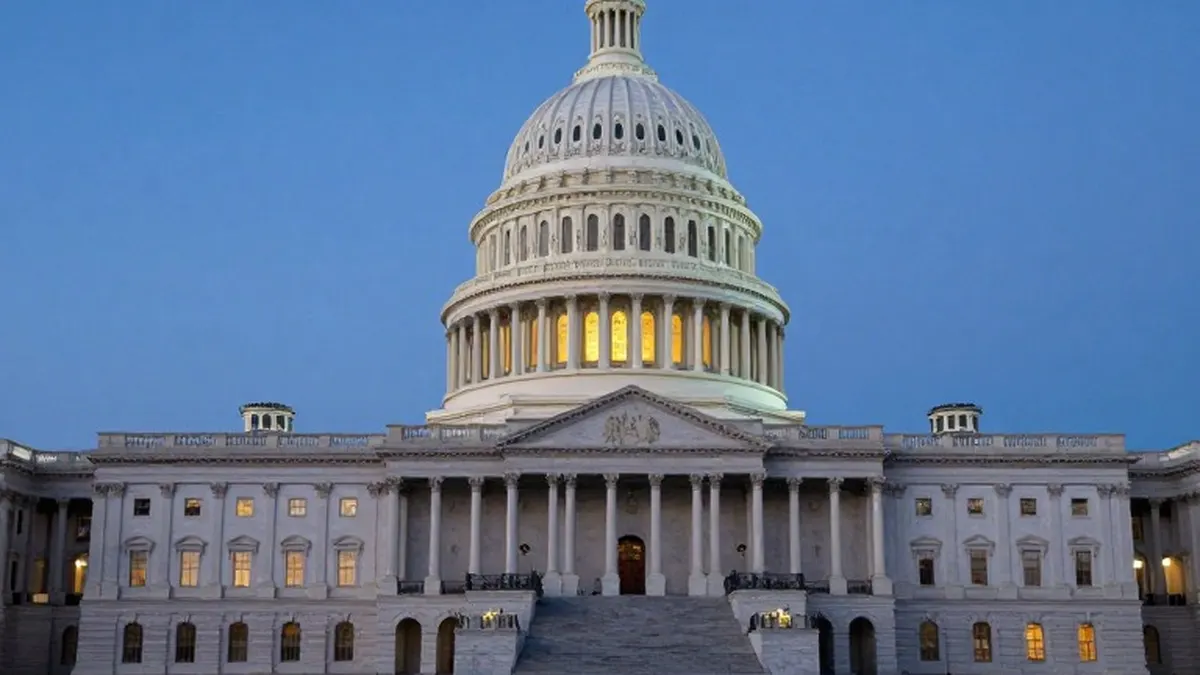
Secretary of War Pete Hegseth faces a growing threat of bipartisan impeachment as Congress prepares to reconvene next week. The push is driven by deepening Republican frustration over their significant losses in the midterm elections held on Tuesday. Bipartisan dissatisfaction with the ongoing war in Iran, which has been a point of contention for months, is now surfacing openly following Democratic victories in both chambers of Congress. Several House Republicans told Fox News Digital that they believe a resolution to impeach Hegseth could pass as early as next week.
One House GOP lawmaker described the situation bluntly, stating that Hegseth is in serious trouble. Rep. Thomas Massie, a Republican from Kentucky and a frequent critic of U.S. foreign intervention, said he intends to force a vote on impeachment if the Pentagon chief does not resign first. He plans to use a privileged resolution, a procedural tool designed to compel a vote despite opposition from majority party leaders. This mechanism gives lawmakers two legislative days to hold a vote once filed.
The procedure involves two distinct steps. Before voting on the impeachment measure itself, leaders can call for a vote to table the bill or refer it to a committee, either of which would effectively kill the proposal. Historically, this procedural vote is where most privileged resolutions fail. However, multiple House Republicans indicated that this specific resolution has a strong chance of success. Two additional GOP members expressed similar confidence that the vote would pass if introduced.
Attendance may play a critical role in the outcome. One lawmaker noted that many Republicans who lost their re-election bids may not return for the final two months of the year. With a narrow majority, a small number of absences could be sufficient to secure an impeachment vote if all Democrats vote in unison. The Fox News Decision Desk projected a Democratic takeover of the House shortly before midnight on Tuesday, identifying the Iran war and tariff policies as key factors in voter dissatisfaction with the GOP.
While President Donald Trump recently told reporters that he believes Hegseth is performing well, officials within his inner circle appear less confident. A former White House official stated that Hegseth is under serious consideration for removal. A current official added that the election results would likely have been different without the Iran conflict and suggested that Trump may hold Hegseth accountable during the lame duck session. The White House responded to the potential impeachment push on Thursday, with spokeswoman Lauren Bis stating that the President is open to working with anyone to deliver victories for Americans, but criticized Democrats for pursuing what she called sham investigations.
Another White House official warned that if Democrats choose to politicize their investigative processes, they should remember that the administration still controls the federal government. Chief Pentagon spokesman Sean Parnell dismissed rumors that Trump might remove Hegseth himself on Wednesday. Parnell stated that the Secretary of War will not be deterred by politicians seeking partisan points or launching phony investigations, asserting that the department has followed the law and will continue to defend the Constitution and protect America.
Despite the momentum, a majority of House Republicans remain opposed to impeaching Hegseth, with many expressing skepticism about the likelihood of success. One GOP member questioned whether colleagues would be willing to challenge the president so close to his departure. On the other side of the aisle, support for the move is strong. House Minority Leader Hakeem Jeffries, who is expected to become the next speaker, posted on social media asking why Hegseth is still in his position. Rep. Adam Smith, a Democrat from Washington and future leader of the House Armed Services Committee, also signaled support, noting that the administration did not seek congressional consent during the conflict. If impeached, Hegseth would remain in office until a trial takes place in the U.S. Senate.