Santiago Pena, the President of Paraguay, announced his resignation on Thursday. The decision came after growing calls for his removal intensified in the wake of the collapse of the digital lender ueno. The banking crisis has left millions of customers unable to access their accounts, sparking significant political and social unrest in the country.
In a video recorded address delivered on Thursday, Pena explained that his decision was made with the stability of the nation, social peace, and the preservation of democratic institutions in mind. He emphasized the urgent need to maintain order and protect the interests of the public during this turbulent period.
Pena, who is known as an ally of US President Donald Trump, faced mounting pressure from the opposition. Lawmakers had called for an extraordinary session of Congress to begin the process of filing an impeachment motion. Simultaneously, protesters took to the streets demanding his immediate resignation, creating a dual pressure that accelerated his decision to step down.
Earlier on Thursday, Pena lost the backing of key members from his own conservative party. This internal shift in support marked a pivotal moment in the political crisis. Following his departure, Vice President Pedro Alliana is set to assume the role of president and lead the government through the transition.
Lawmakers accused Pena of several serious lapses, including conflicts of interest, the misuse of pension funds, and institutional cover-ups related to the ueno collapse. The digital lender had grown rapidly from a niche fintech player into a mid-tier bank. At the time of its failure, it was administering close to $850 million in public funds.
Lucia Newman, Al Jazeera’s Latin America editor, described the situation as one where Pena was accused of at least negligence. She noted that he was also charged with complicity in covering up the fact that the bank was insolvent. Newman highlighted the urgency of the moment, stating that Congress was actively working to impeach both the president and the vice president.
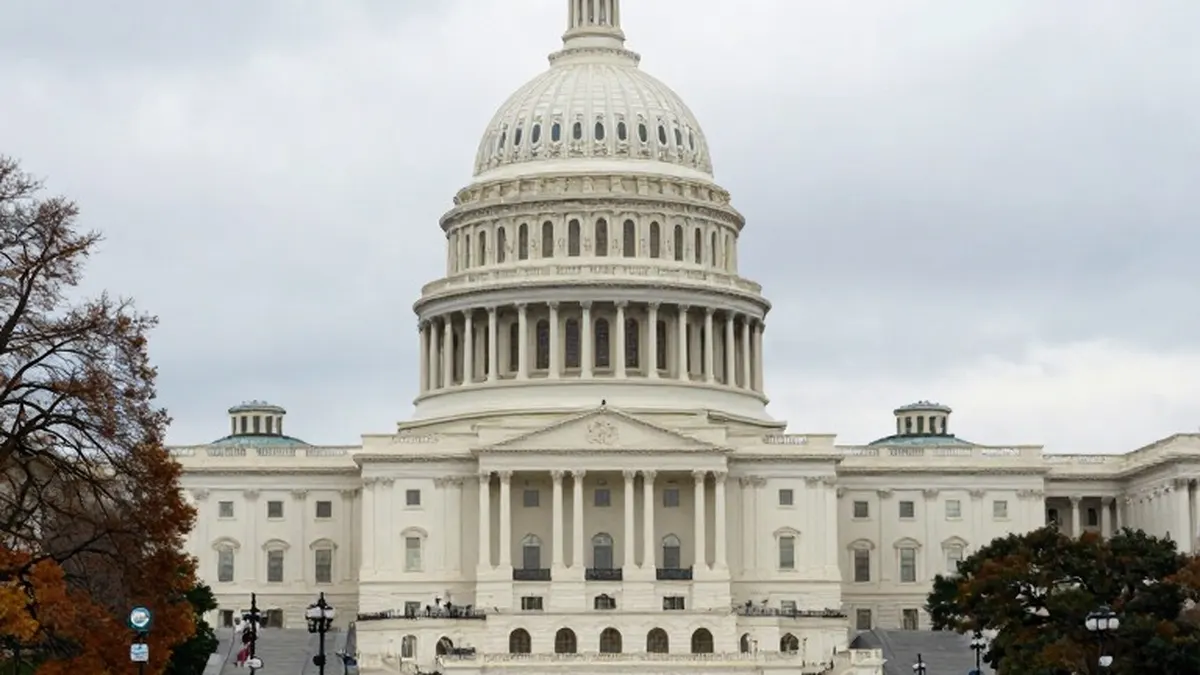
Newman added that as she spoke, the impeachment session was underway. She observed that people outside the legislative building were urging Congress not to accept the resignation. Protesters argued that they wanted Pena to be tried and impeached rather than allowed to leave the office voluntarily.
The crisis began when Paraguay’s central bank intervened in ueno. Regulators determined that the institution had breached minimum solvency requirements. This intervention triggered a broader financial crisis, leaving the company’s roughly 3 million customers unable to access their accounts. In a country with a total population of 6.5 million, the scale of the impact is substantial.
In his farewell address, Pena expressed his greatest wish that the return of customer funds would be guaranteed. He called for the deposit guarantee fund to fulfill its intended purpose and stressed the importance of protecting public funds. He emphasized that these resources belong to all Paraguayans and must be safeguarded during the transition.
As of the announcement, ueno had not made any public statement regarding the collapse or the subsequent political developments. The focus now shifts to the new leadership under Vice President Alliana and the ongoing efforts to resolve the financial and political fallout from the banking failure.