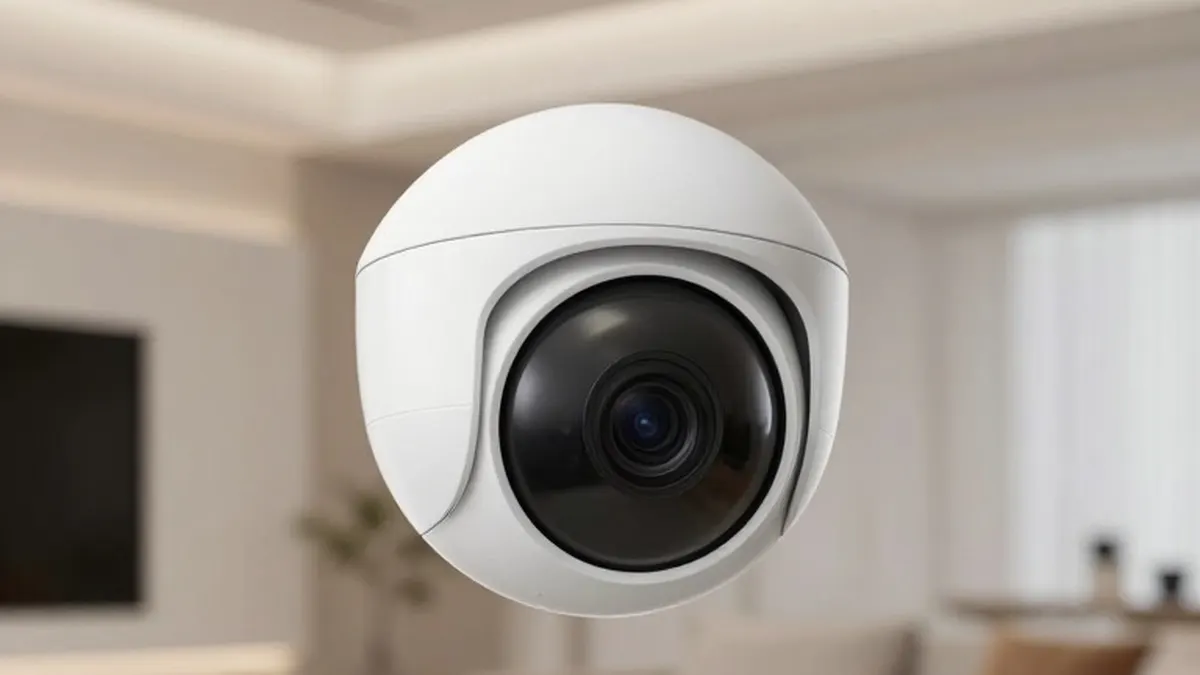
Ring has officially confirmed that its new security camera drone will not include an option for manual flight controls when it reaches consumers in January. The device, known as the Ring Drone Cam, will operate entirely through an automated system referred to as the AI Pilot. This technology is designed to follow pre-programmed routes and navigate around obstacles autonomously, meaning users will not have the ability to pilot the drone themselves via a remote interface.
The revelation of this design choice comes after a demonstration with CBS News highlighted potential challenges with manual operation. During a segment broadcast on CBS Mornings and shared on the social platform Threads, Ring founder Jamie Siminoff allowed technology reporter Jo Ling Kent to test an early version of the drone using a mobile app with integrated manual controls. Siminoff initially confirmed the availability of the feature, telling Kent, “Yeah, so we can load manual controls.”
However, the demonstration did not go smoothly. The footage shows the drone crashing twice while under manual pilot control. In the first incident, Ring stated that the collision avoidance technology had malfunctioned. The company declined to share the video recorded by the drone immediately prior to this first crash, citing the nature of the technical failure.
The second crash was captured on camera by the CBS News crew. The footage reveals the drone colliding with a wall after it failed to respond to input from the manual controls. Siminoff explained that the drone had lost its internet connectivity during the maneuver, a connection it relies upon to maintain its autonomous flight status. He acknowledged the error, stating, “If it loses connectivity, it’s supposed to stop and land. It did not there.”
When The Verge requested its own demonstration of the Drone Cam, Ring declined to show the app interface. The company explained that the final product will only function on pre-programmed flight paths. It appears that while manual flight controls were present during the development phase, the feature will not be available to customers at launch.
A spokesperson for Ring, Sam McGee, provided a statement to The Verge regarding the final feature set. McGee noted that the team explored many different capabilities throughout the development process. He emphasized that autonomous flight to specific patrol points using the AI Pilot offers the best customer benefit and overall experience. The spokesperson did not provide further details on the specific technical reasons for excluding manual controls from the final release.
The decision to streamline the user experience to an automated system suggests that Ring is prioritizing reliability and ease of use over user customization. By removing the need for active piloting, the company aims to ensure the drone can consistently patrol designated areas without requiring constant attention from the homeowner.
The incident with CBS News serves as a clear example of the complexities involved in integrating manual controls with autonomous safety systems. The crash demonstrated how a loss of connectivity can lead to unexpected behavior if the manual override system is not perfectly synchronized with the drone's primary navigation protocols.
As the launch date in January approaches, Ring is focusing on the strengths of the AI Pilot system. The company believes that by limiting the drone to its automated functions, it can provide a more seamless and secure surveillance solution for residential users.
Ring did not respond to a specific question from The Verge asking whether the decision to exclude manual controls was directly influenced by the outcomes of the CBS News demonstration. The company maintains that the final design reflects the best possible experience for the target audience, regardless of the events during the public demo.