Severe child malnutrition is putting growing pressure on families and hospitals in Sudan, where war and drought are worsening hunger. The Integrated Food Security Phase Classification estimates that 825,000 children younger than five will experience severe acute malnutrition in 2026, an increase of 7 percent from 2025. Fighting between the Sudanese Armed Forces and the Rapid Support Forces paramilitary has continued since April 2023.
For Layla Ali, seeking treatment for her five-year-old son, Adam, meant travelling two and a half hours from al-Lalouba village to Port Sudan. He had lost his appetite two weeks earlier and eventually became too weak to move. Distance and worries about medical bills delayed the journey until his condition worsened. Ali told Al Jazeera that Adam, who has suffered repeated episodes of malnutrition, spent five days receiving hospital treatment.
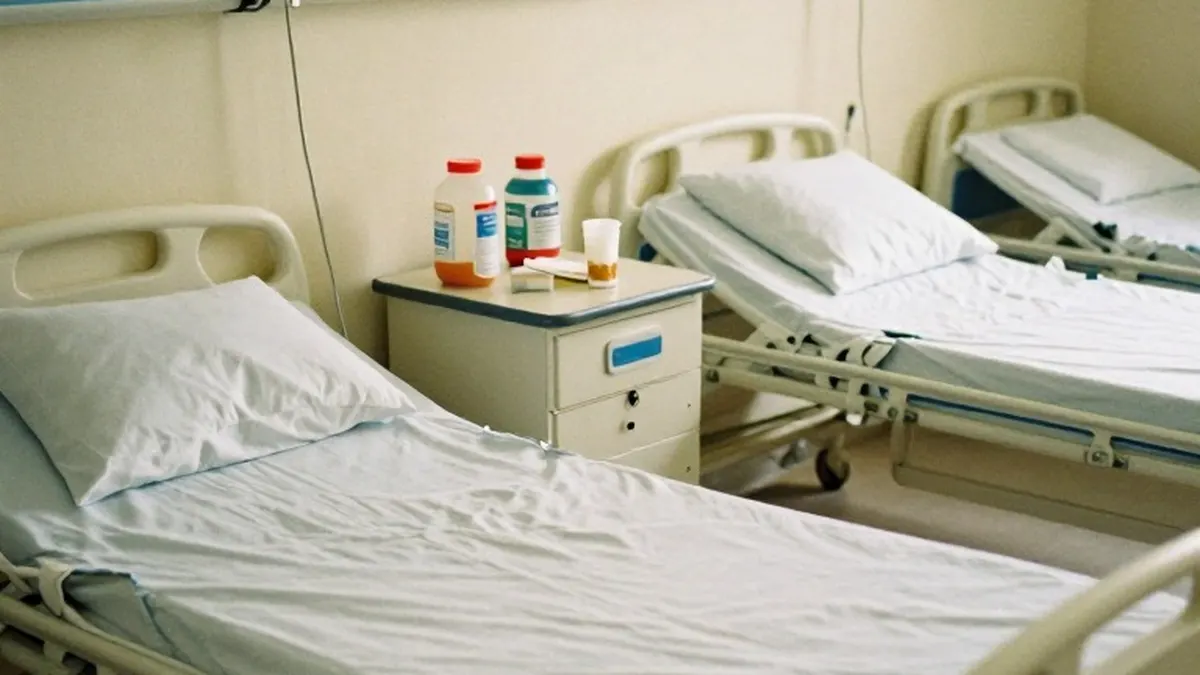
UNICEF and its partners treated 174,700 children for severe acute malnutrition across Sudan during the first half of 2026. Port Sudan Teaching Hospital recorded 433 cases from January through August. Nutrition counsellor Maryam Gadalsid told Al Jazeera that rising admissions had left as many as three children sharing one bed in the hospital’s 17-bed malnutrition unit, creating greater opportunities for diseases to spread.
Support from the World Health Organization and UNICEF allows the hospital to provide therapeutic milk and other nutritional supplies without charge, Gadalsid said. Families must nevertheless contend with the cost of medicines and intravenous fluids. She also warned that displacement and financial hardship were undermining pregnant women’s nutrition and putting their babies at risk. Flies that contaminate food and water, alongside mosquitoes that transmit malaria, pose further dangers to malnourished children.
Conditions are especially severe in Darfur, which endured two decades of war before the nationwide conflict began. UNICEF recorded at least 40,000 malnutrition cases in North Darfur between January and May 2025, during the RSF siege of el-Fasher. The city subsequently fell to the paramilitary in October, and the group is accused of killing thousands of civilians there.
In southeastern Sudan, cases at the al-Karama 3 displacement camp in al-Damazin increased from 1,800 in September to 2,116 in November, according to Sabri Adam, deputy head of the camp’s oversight committee. He told Al Jazeera that more than a quarter of the camp’s children were affected, including 1,760 younger than five. Almost 4,000 displaced families live there, with more than 7,600 children under 10.
Adam said families had fled intensified fighting in western Blue Nile State and arrived amid shortages of funding, aid and health monitoring. Earlier in November, the Red Crescent provided cash support for people affected by malnutrition and pregnant women. Eligible households each received 620,000 Sudanese pounds, equivalent to about $60 at the parallel market exchange rate.
The IPC has warned that famine risks are increasing in parts of Greater Darfur and Greater Kordofan as conflict, displacement, drought and insufficient humanitarian funding worsen food insecurity. Reduced seasonal rainfall linked to El Nino has contributed to drought affecting roughly half of Sudan. Poor vegetation growth across nearly two-thirds of North Darfur’s farmland and about half in South Darfur and Kordofan states threatens harvests.
Dr Ahmed Youssef, medical director of Port Sudan Teaching Hospital’s paediatric department, said limited access to nutritious food and gaps in nutrition awareness also contribute to the crisis. Many rural families depend on flour and milk, with little meat in their diets. Unreliable electricity and a lack of refrigerators complicate safe food storage. He told Al Jazeera that financial difficulties, treatment-cost fears and limited education often delay hospital visits until children are severely malnourished.