Concerns are mounting regarding the diligence applied by the US Commerce Department and Nvidia when vetting Chinese companies approved to purchase the H200 AI chip. A recent investigation by The New York Times has highlighted significant gaps in the oversight process, revealing that one approved firm, New Matrix, appears to have little physical presence or operational substance.
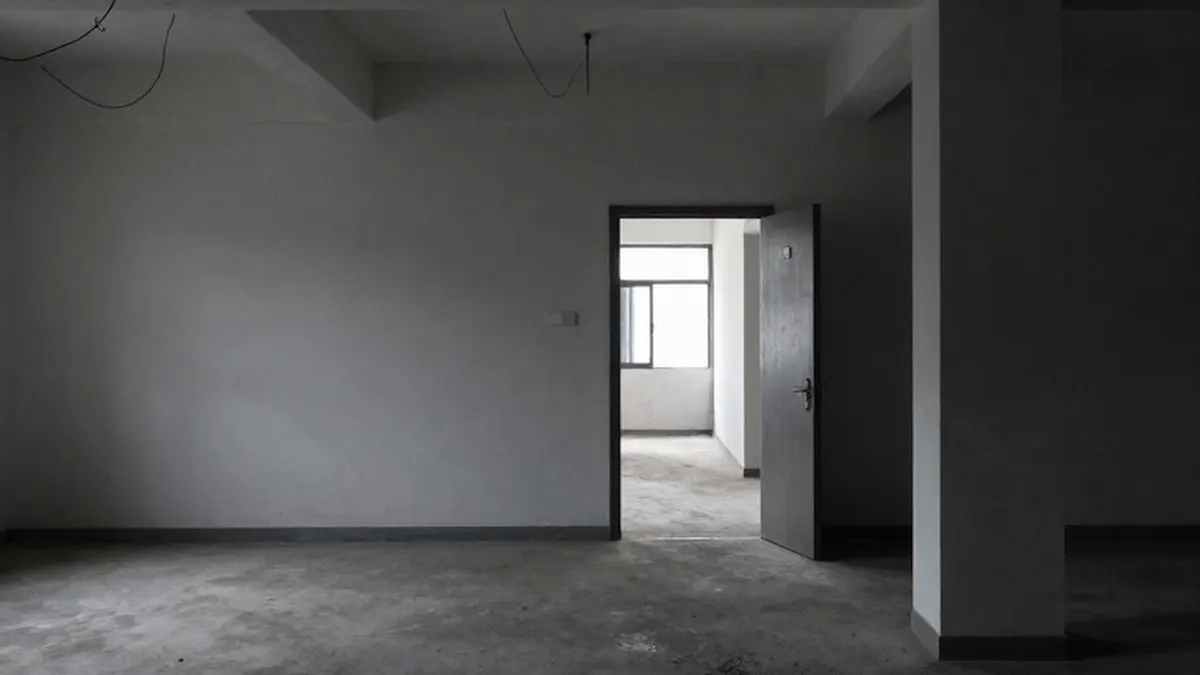
The report describes the office listed for New Matrix as a hollow gray shell. Inside, wires dangle from the ceiling where lights should be, suggesting the space is largely unused. This physical absence contrasts sharply with the company's status on the government's list of approved entities for Nvidia hardware.
Online information about New Matrix is scant. The company was established just 17 months ago, and a directory at the building it lists as its address does not include the firm. Staff at a nearby property management agency for the industrial park, including a receptionist and a manager, stated they had no record of the company existing at that location.
The limited details available about New Matrix raise further questions about its legitimacy. The owners of the firm have ties to a Chinese private equity firm that has been blacklisted by the US government since 2024. This connection suggests a potential link to entities with national security related trade restrictions.
According to The New York Times, this case is not an isolated incident. The paper identifies a troubling pattern in which companies connected to restricted entities are being cleared to buy Nvidia chips. This trend implies that current vetting procedures may not be catching all relevant connections to blacklisted firms.
The regulatory landscape for Nvidia in China has shifted under the Trump administration. During the previous Biden administration, the company faced restrictions on selling chips to China. The current administration relaxed these limits after Nvidia agreed to give the government a 15 percent cut of all sales.
Jensen Huang, the CEO of Nvidia, has also been actively involved in shaping this dynamic. He launched an intense lobbying campaign to influence policy. Additionally, reports indicate that Huang was targeted by China's Ministry of State Security in a spying plot, adding a layer of geopolitical complexity to the trade relationship.
The discovery of the empty office for an approved buyer has intensified calls for stricter enforcement. Critics argue that the speed and volume of approvals may be outpacing the thoroughness of the review process, allowing firms with minimal operational footprints to enter the market.
As the US continues to navigate its trade strategy with China, the case of New Matrix serves as a focal point for debate. It highlights the tension between maintaining competitive advantage for US tech firms and ensuring that sensitive technology does not fall into the hands of entities with questionable backgrounds.
Both Nvidia and the Commerce Department face pressure to address these findings. The outcome of this scrutiny could determine whether future chip sales to China require more rigorous verification of a buyer's physical operations and corporate lineage before approval is granted.