Kataib Hezbollah, a powerful Iran-aligned armed faction in Iraq, has officially denied involvement in an alleged oil smuggling operation in the Jurf al-Nasr area. The group issued a strong rebuttal on Sunday after Iraqi authorities launched an anticorruption crackdown that led to the removal of several high-ranking officials.
In a public statement, the faction described the actions of the Iraqi prime minister's office as a fabrication of lies. The group claimed it was facing what it called the largest blackmail operation aimed at forcing its disarmament. This response came one day after Prime Minister Ali al-Zaidi dismissed nine senior figures following an investigation into the specific allegations.
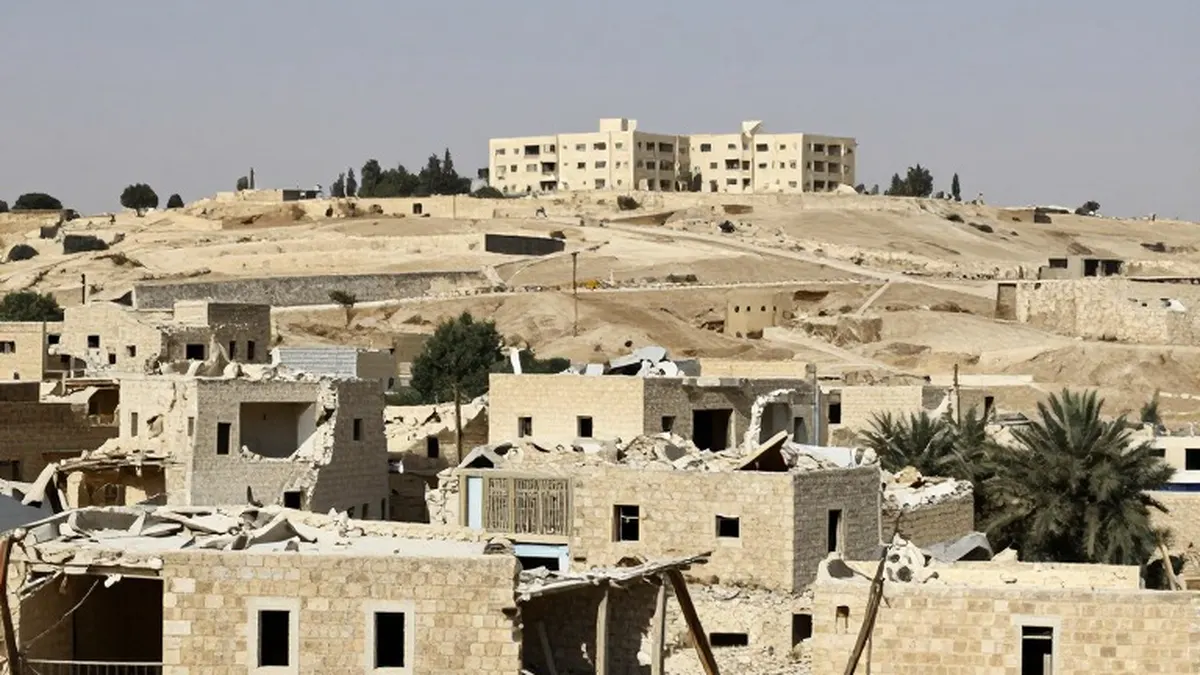
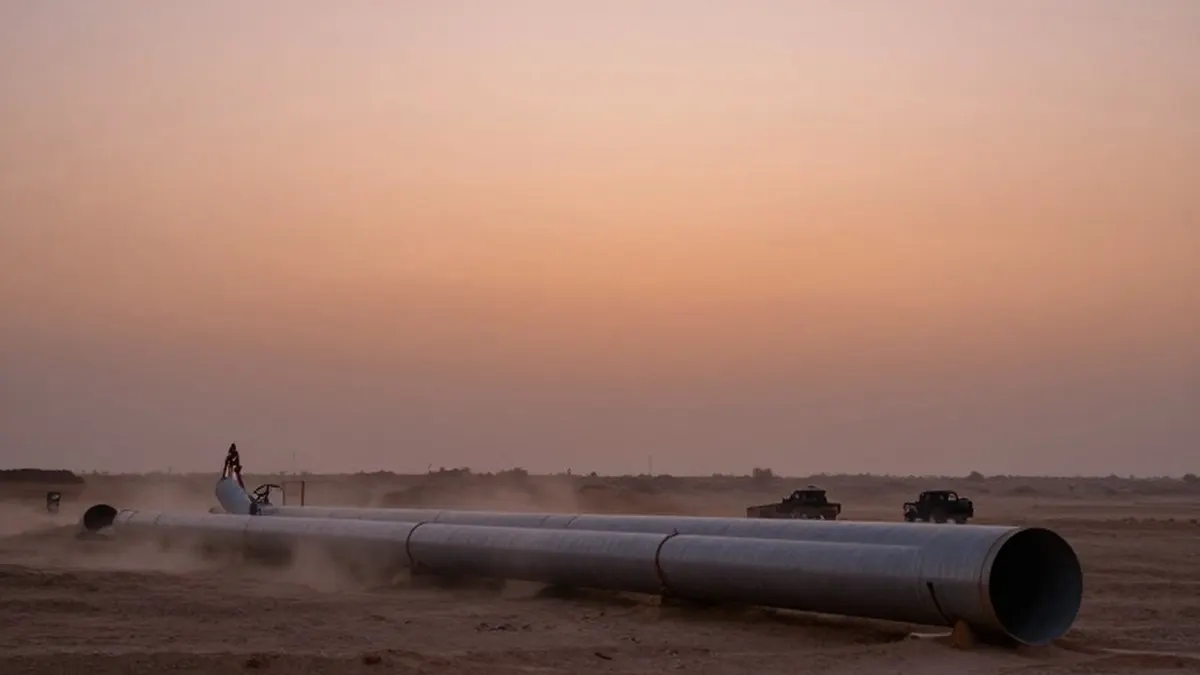
The Iraqi government stated that an investigation committee, chaired directly by Prime Minister al-Zaidi, confirmed the existence of oil smuggling activities. The committee relied on intelligence documents that included satellite imagery showing operations being conducted within the armed faction's stronghold in Babil province.
Based on these findings, the committee ordered that the implicated individuals be referred to the judiciary. Although the specific names of those involved were not publicly identified, the group of dismissed officials included security and intelligence officers from Babil province, a commander from the Interior Ministry, and the director of the Oil Pipelines Company at the Ministry of Oil.
Kataib Hezbollah contested the committee's conclusions, asserting that the investigation found no violations whatsoever regarding the oil pipelines. The faction argued that this result definitively proved that the smuggling allegations were false. They noted that their members had accompanied the committee during its site visit to the Jurf al-Nasr area on Friday.
The dispute occurs against a backdrop of growing pressure from the United States, which has urged Baghdad to rein in Iran-aligned groups and reduce Tehran's influence. Iraq is a strategic ally to both Washington and Tehran, making it a focal point in regional geopolitical dynamics.
Prime Minister al-Zaidi has previously pledged to ensure that non-state armed groups would surrender their weapons to the state. However, Kataib Hezbollah has vowed to retain its arsenal. The group accused the prime minister of yielding to pressure from the US, Saudi Arabia, and the United Arab Emirates.
Tensions have been heightened by previous military actions. Iran-aligned groups, including Kataib Hezbollah, targeted US forces in Iraq and attacked Gulf states following the start of the US-Israel war on Iran in late February. This history adds a layer of complexity to the current political standoff.
Washington has also accused Tehran of utilizing Iraq's economy to evade international sanctions. The US has previously sanctioned Iraqi individuals specifically for blending Iraqi and Iranian oil, a practice that has become a significant point of contention between the two nations.
The situation highlights the ongoing struggle for control over Iraq's natural resources and the broader influence of regional powers. As the government moves forward with judicial proceedings, the armed faction maintains its stance that the probe was politically motivated rather than based on factual evidence of smuggling.