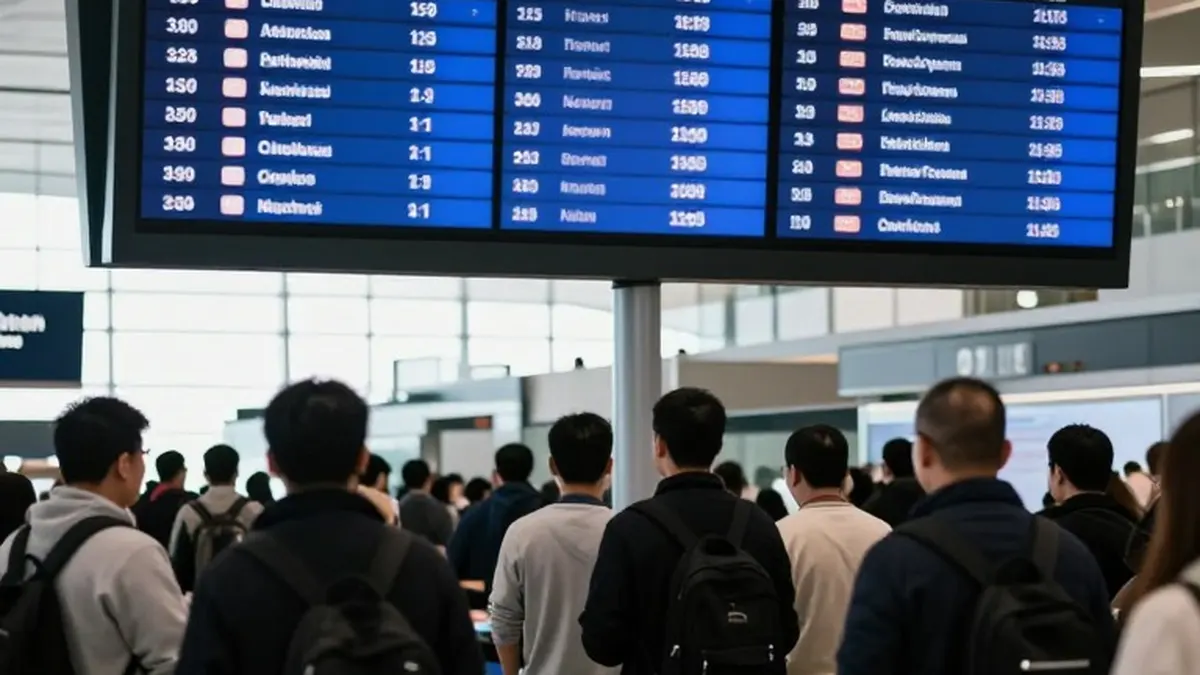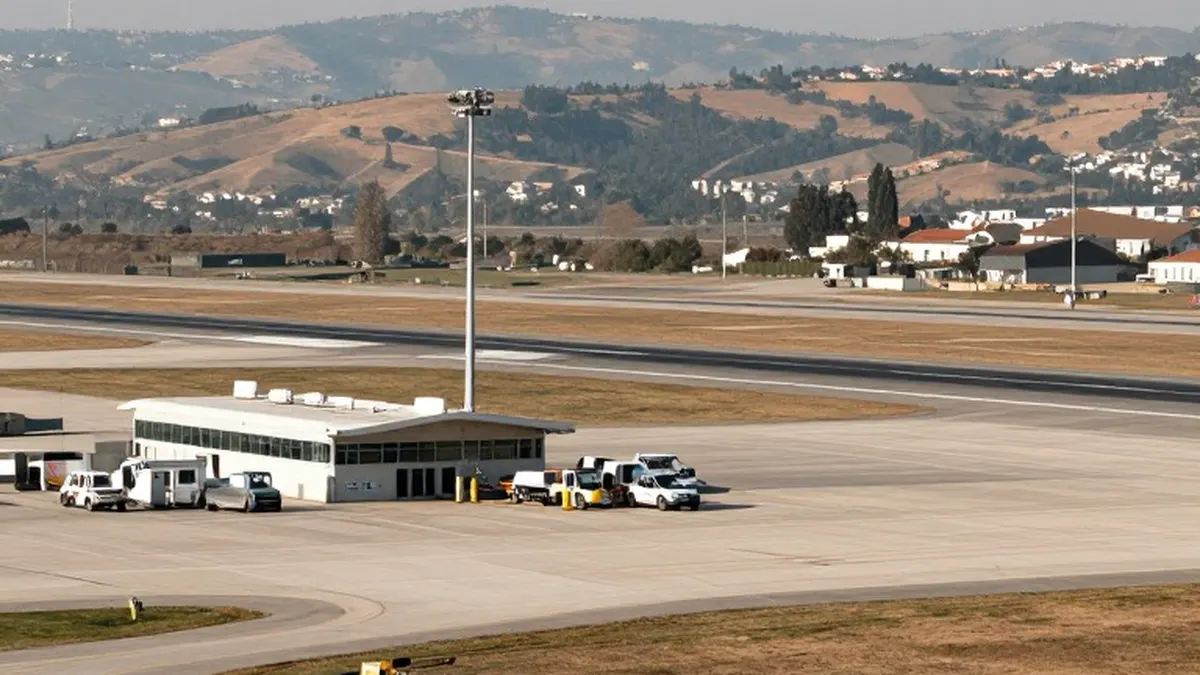
Lebanon’s second airport is preparing to begin test flights on November 22, Independence Day, as officials seek to bring investment and jobs to the country’s underserved north. Commercial services at Rene Mouawad airport in Qlayaat are expected to start on December 14, offering an additional gateway after years of war and economic crisis.
The opening has faced repeated delays. Operations were initially planned for mid-2026, but Israel’s war on Lebanon disrupted that timetable. Commercial flights were subsequently scheduled for November 22 before construction delays pushed them into December, when many Lebanese living abroad return for the winter holidays. Prime Minister Nawaf Salam and other officials took a test flight from Beirut to the airport in June.
Officials describe the project’s primary purpose as economic. Lebanon has struggled to recover from its 2019 financial collapse amid Israel’s continuing assault and the US-Israel war on Iran. Inflation is expected to reach 17.5 percent this year, while the World Bank forecasts an economic contraction of 6.4 percent in 2026. Earlier estimates put damage sustained since 2023 at more than $14 billion.
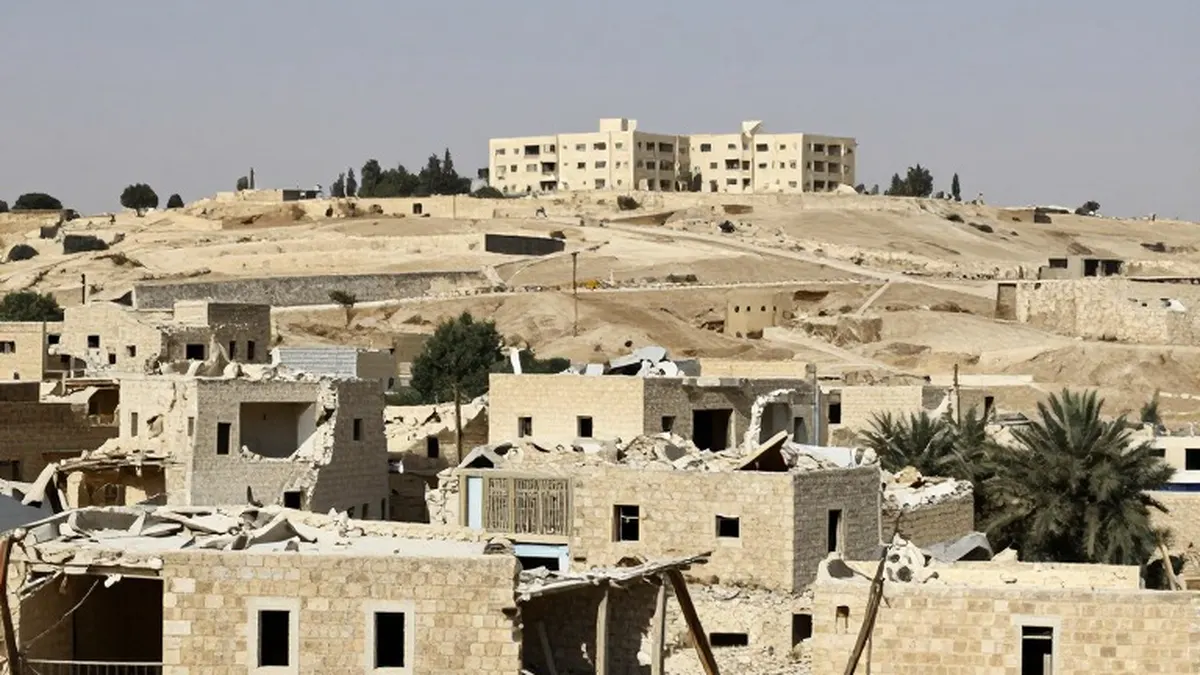
The airport sits in Akkar, about 6km from the Syrian border, in one of Lebanon’s poorest regions. Officials expect it to serve northern Lebanon and the Syrian cities of Homs, Latakia and Tartous, as Syria struggles to modernise its deteriorated airports. Low-cost carriers are likely to use the facility. Destinations confirmed in June included Istanbul and Mersin in Turkiye and Dubai in the United Arab Emirates. Officials project 115,000 passengers in the first year and roughly 600,000 by the fourth.
The project also offers an alternative to Rafik Hariri international airport, currently Lebanon’s only operating airport. Its location south of Beirut has left access vulnerable to political disputes. Supporters of Hezbollah, the Iranian-backed Shia armed group, have blocked the road connecting the airport to the capital, including in February 2025 after two Iranian aircraft were barred from landing.
Lebanese political analyst Bassel Doueik told Al Jazeera that an airport outside Hezbollah’s traditional area of influence could reduce the group’s ability to exploit that vulnerability. However, he said Qlayaat’s small size meant it could not replace Beirut’s airport. Political and security analyst Marcel Baloukji said the additional facility would give the state more options during a future conflict, particularly for foreign nationals and diplomatic missions, without substantially changing the debate over Hezbollah’s weapons.
Hezbollah’s position, after decades as Lebanon’s strongest military and political actor, has faced open debate since the 2024 ceasefire with Israel and the collapse of its Syrian ally, Bashar al-Assad’s government. Experts told Al Jazeera that Assad’s fall in December 2024 helped make the airport project possible because his government had opposed it. The plans became a priority after Salam formed his government in early 2025.
Dania Arayssi, assistant director of the New Lines Institute for Strategy and Policy, told Al Jazeera that effective management of a revenue-generating airport could help restore public confidence in state institutions. She said it could demonstrate the government’s ability to deliver services and protect public assets from Hezbollah’s interference. Baloukji also pointed to potential local employment and tourism benefits, saying the airport could encourage workers to remain in the region and reassure visitors concerned about Hezbollah’s influence around Beirut’s airport.