Dutch Member of European Parliament Thijs Reuten has stated that North Korea is now recognized as part of the international system that enables Russia to abduct Ukrainian children. He argued that, similar to Belarus, the North Korean state facilitates the unlawful transfer of minors with the specific goal of altering their national identity. Reuten emphasized that the European Union should intensify its sanctions against the various individuals involved in these acts.
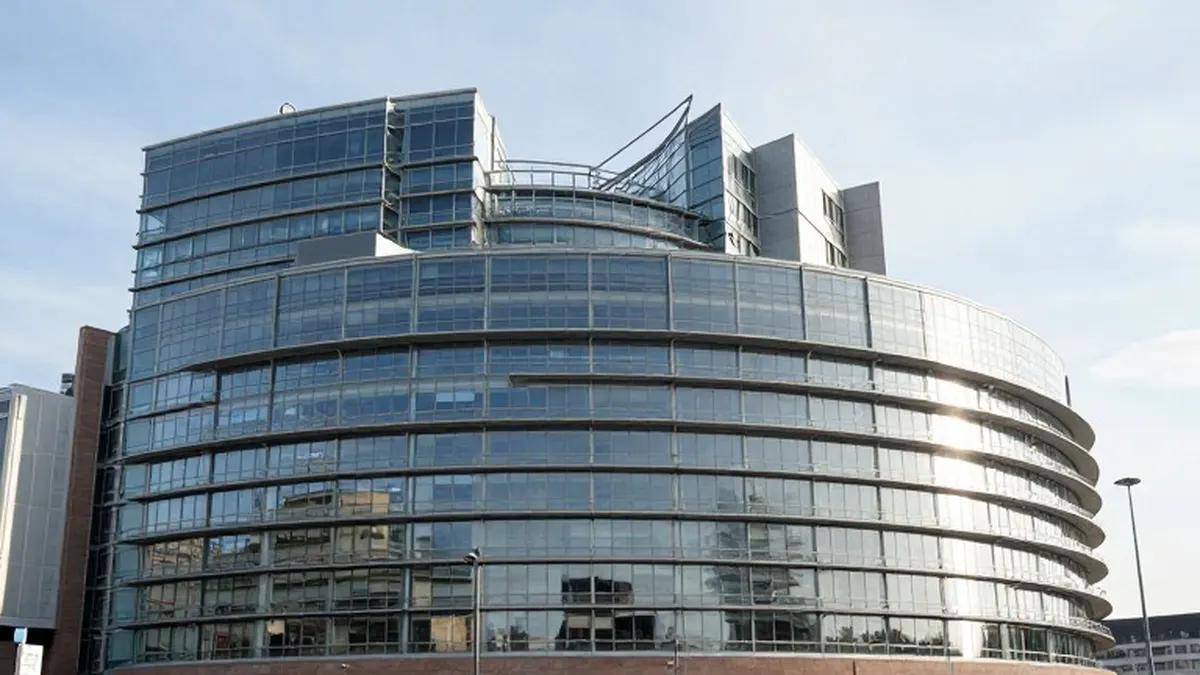
Reuten contributed to the drafting of a resolution on deported Ukrainian children that was adopted by the European Parliament on 12 November. This legislative move marks a significant shift in the bloc's approach to the issue. While previous discussions had focused primarily on Belarus, the current resolution explicitly includes North Korea. Reuten noted that this inclusion is a new development, as North Korean representatives are now identified as key participants in the machinery that moves children from Russian-occupied territories.
The MEP explained that the rationale for including North Korea is that its officials are directly integrated into the network that facilitates these unlawful transfers. He believes that EU sanctions should extend beyond the top leadership in Moscow to target those directly operating within the system. This includes officials from both Belarus and North Korea who play a hands-on role in the process.
According to Reuten, Western and European sanctions currently target high-profile figures such as Vladimir Putin, the leader of the Kremlin, and Maria Lvova-Belova, Russia's commissioner for children's rights. Both individuals are subject to arrest warrants issued by the International Criminal Court. However, Reuten argued that the net needs to be cast wider to catch lower-level participants who are responsible for the day-to-day operations of abducting and deporting children.
He stressed that sanctions should also be imposed on those directly involved in changing the identity of Ukrainian children. This group includes the directors of the camps where the children are taken, as well as other administrative officials who facilitate their unlawful movement. The aim is to hold the entire chain of command accountable for the disruption of the children's lives.
The European Parliament resolution of 12 November 2026 calls for expanded sanctions against Russian, Belarusian, and North Korean officials. It also targets organizations that facilitate the deportation and forcible transfer of Ukrainian children. The document specifically mentions that North Korea has reportedly hosted Ukrainian children from occupied territories at the Songdowon International Children's Camp. At this location, the children were reportedly subjected to ideological indoctrination.
This latest resolution follows a series of actions by the European Parliament regarding the treatment of Ukrainian children. On 12 November, the body called for Russia's actions against these minors to be recognized as genocide. In a broader context, the parliament has consistently highlighted the role of Belarus in this strategy. In September 2023, it called on the International Criminal Court to issue an arrest warrant for Alexander Lukashenko, the self-proclaimed president of Belarus, over the deportation of Ukrainian children.
In May 2025, the European Parliament adopted a resolution describing the actions carried out by Russia, with support from Belarus, as a genocidal strategy. The goal of these actions was identified as the destruction of the children's Ukrainian identity. The bloc continues to build pressure through diplomatic and economic means to address these ongoing violations.
The Council of the EU has also been active in this area. On 28 September 2026, it imposed sanctions on another ten individuals and seventeen organizations. These entities were identified as being involved in the deportation of Ukrainian children to Russia. The continued coordination between the European Parliament and the Council of the EU signals a sustained commitment to holding those responsible for these crimes accountable.