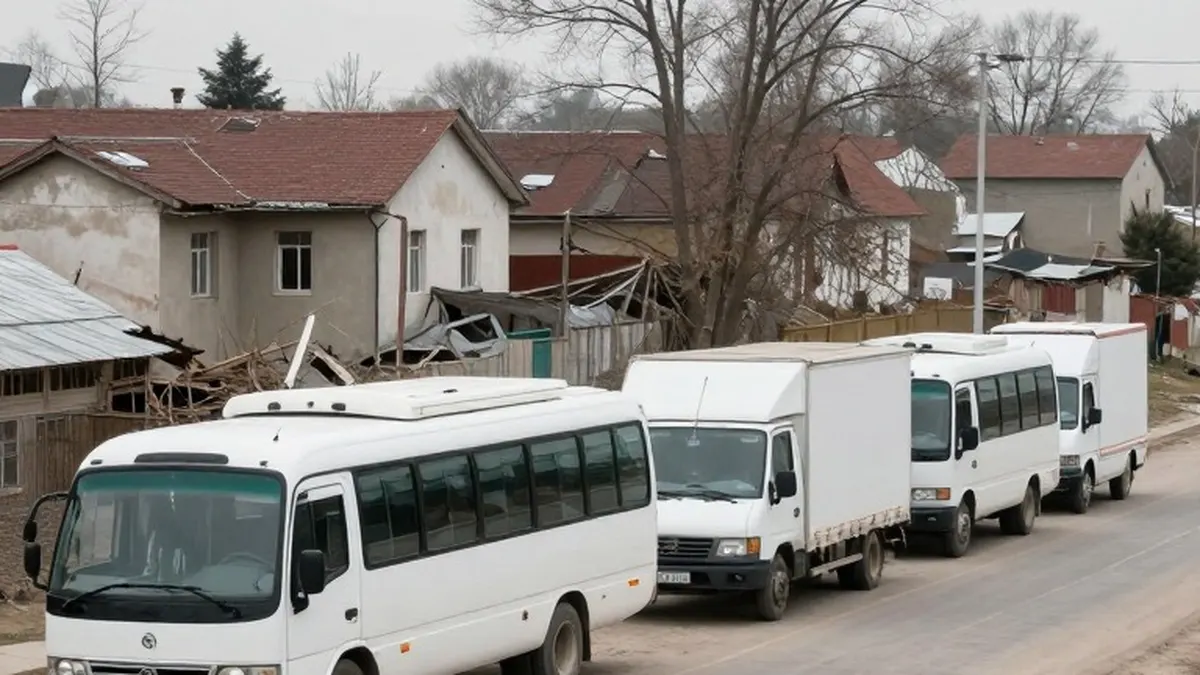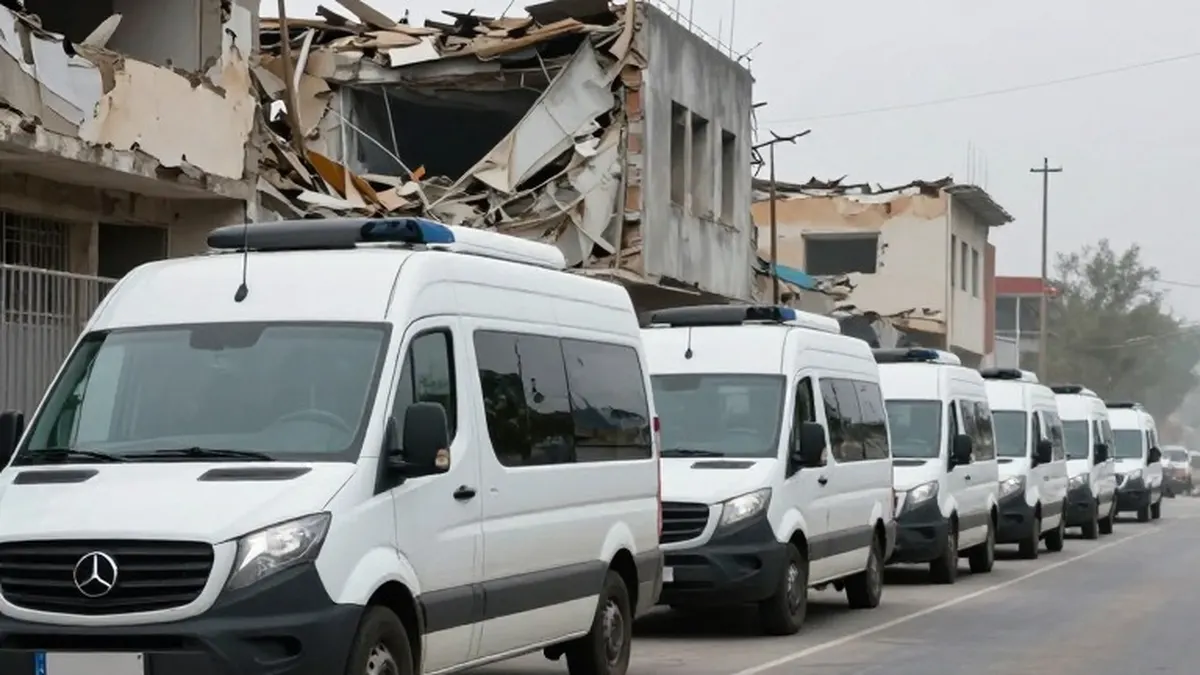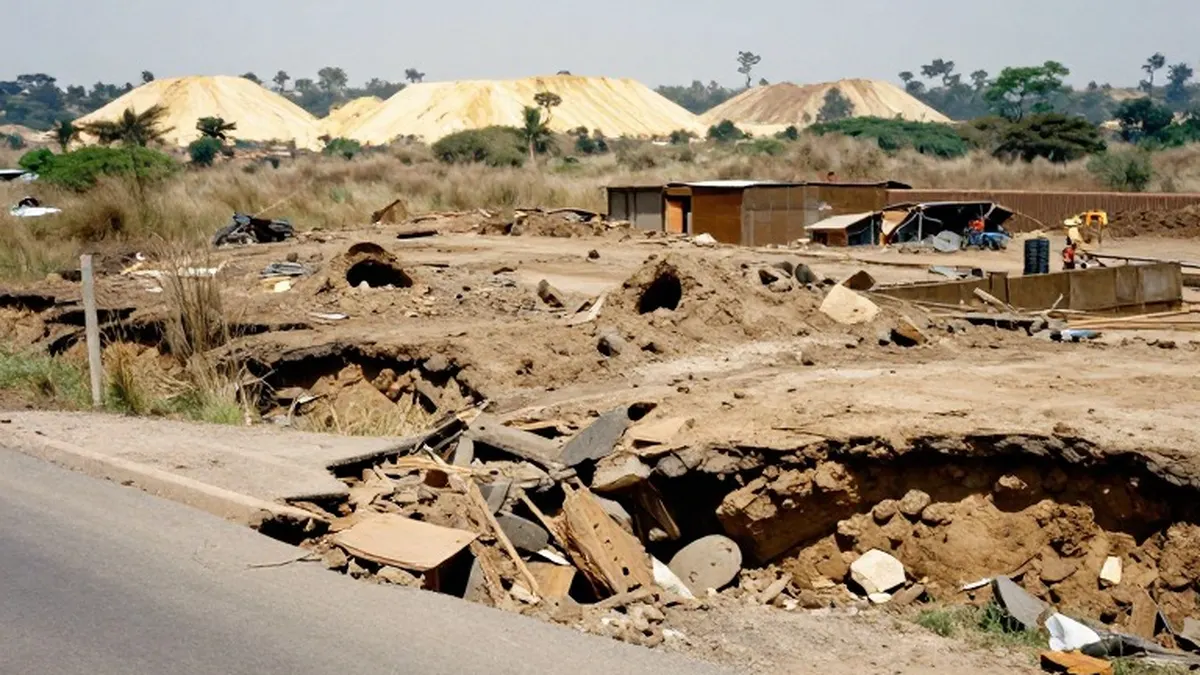
Illegal gold mining around Johannesburg is putting pressure on communities and infrastructure as rising gold prices encourage digging in abandoned workings. With local elections approaching on 4 November, politicians have blamed miners for collapsing roads and sinkholes. Researchers, however, say the damage also reflects the legacy of industrial mining and failures to secure disused sites.
Cora Bailey has encountered illegal miners since she began caring for injured animals around Roodepoort, west of Johannesburg, in 1991. In late September, dozens began digging opposite her charity, Community Led Animal Welfare, known as Claw. They used water from its two 25,000-litre tanks to process gold, depleting supplies intended for about 100 rescued and injured animals. By mid-October, Bailey said, the shortage had forced the charity to close its gate at midday.
Bailey said police initially told her the mining was too extensive for them to tackle. Officers later cut back grass that had partly concealed the miners, but a smaller group returned within days. They were subsequently taking the charity’s water only to drink, she said. Nationally, police announced on 19 October that they had arrested 71 suspected illegal miners during the preceding week. Researchers estimate that tens of thousands are involved in the activity.
Known in South Africa as zama zamas, a Zulu term roughly meaning to take a chance, the miners operate amid poverty, unemployment and corruption involving politicians and police. Enforcement has also brought tragedy: in 2025, 93 bodies were recovered from a shaft in Stilfontein after police prevented food and water from reaching people underground. Experts agree that most illegal miners come from neighbouring countries, particularly Lesotho, Mozambique and Zimbabwe, although comprehensive data is lacking.
Mining companies must seal disused shafts and restore surrounding land, yet thousands of hazardous sites remain. Mining minister Gwede Mantashe told parliament in 2025 that there were 6,100 derelict and ownerless mines and 1,170 unsafe openings. Johannesburg’s government says the region still holds 40,000 tonnes of gold underground, but extracting deposits at increasing depths has become more costly.
In May, Johannesburg transport council member Kenny Kunene showed journalists sinkholes he attributed to illegal miners, including a collapsed stretch of Wemmer Pan Road. Columbia University anthropology professor Rosalind Morris disputes that broad explanation. She says industrial mining removes enormous quantities of groundwater, destabilising porous dolomitic rock south and west of the city. While intensive illegal digging can cause structural collapse, she argues, it did not originate the problem.
Illegal miners are also regularly blamed for violence, including a September mass shooting in Wedela township. David van Wyk, lead researcher at the Bench Marks Foundation, instead points to rival gangs controlling access to shafts. He describes underground workers as heavily exploited labourers, distinct from armed figures who take the gold without going below ground.
In Khutsong, about 80km west of Johannesburg, campaigner Vusi Cele says rent paid by local and foreign miners helps sustain the township. His organisation, Mining Affected Communities United in Action, advocates licences for artisanal miners. Cele, 33, sells mobile phone covers and screen protectors but says he would mine himself if licensed, seeing greater earning prospects underground.