South Korean President Lee Jae Myung presented the country's largest budget to the National Assembly on Monday, November 2, outlining a sharp increase in spending on artificial intelligence and other industries intended to support future growth. The plan would raise total government expenditure by 12.8% in 2027 to 820.9 trillion won, equivalent to $610.14 billion.
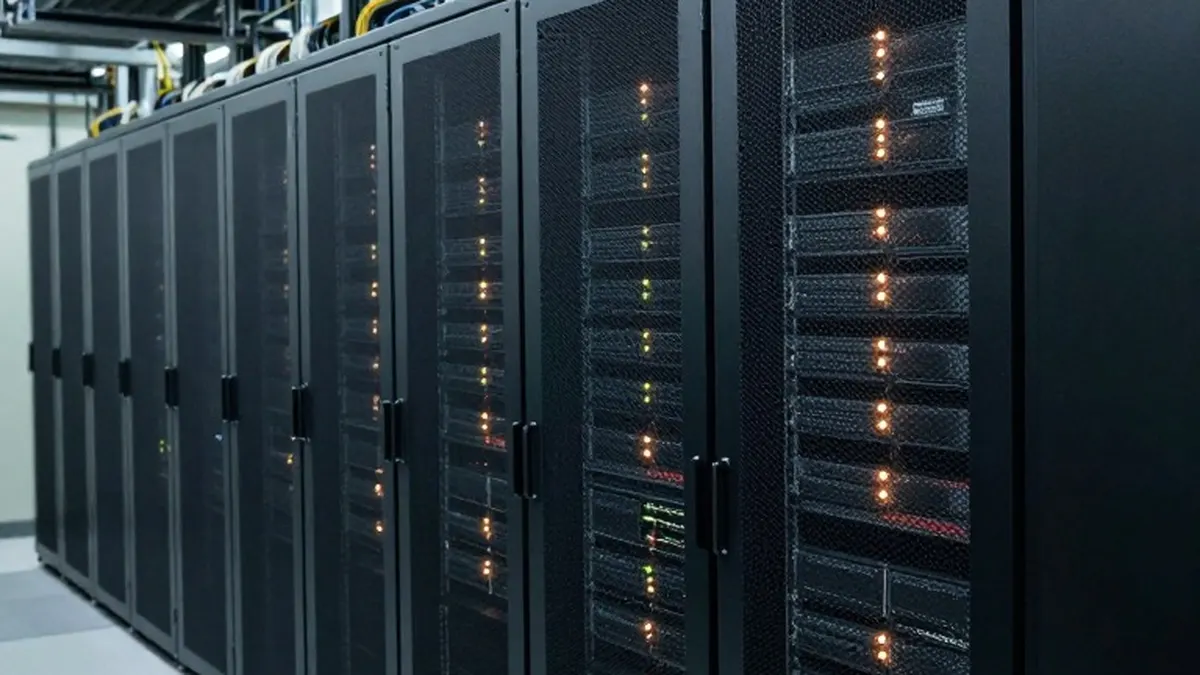
The proposed allocation for semiconductors, physical AI and AI data centers is 21.3 trillion won, nearly twice the amount for 2026. Another 4.7 trillion won is earmarked for a sovereign AI model that Lee said would aim for the "world's highest performance." The funding places AI development alongside semiconductor investment in the government's spending plans.
Training is another focus of the budget. The government intends to prepare 2,000 specialists to help lead semiconductor design and the industry's regional development. It also plans to broaden access to AI education for students, people looking for jobs and those already employed, extending its investment beyond technology and infrastructure to workforce skills.
South Korea already operates university programs known as contract departments, linking degrees to companies and offering students routes into employment at businesses such as Samsung Electronics and SK Hynix before they graduate. Participating companies contribute to course design, provide financial backing and hire graduates who meet their requirements.
The spending proposal comes as the International Monetary Fund projects economic growth of 3.3% for South Korea in 2026. That would be the country's strongest expansion since its recovery from the pandemic in 2021. Lee said the budget would bring "virtually no net increase in government debt," explaining that newly issued bonds would be used to pay off existing debt.
Defense and social security support for young people would also receive more funding. Military expenditure is scheduled to increase by 8.2% to 73.3 trillion won. Lee described plans to develop a military combining manned and unmanned systems, with AI, robots and drones supporting that transformation.
Semiconductor exports have been a major driver of South Korea's economic growth as the AI boom increases worldwide demand for computing power. Korea Customs Service figures released Sunday showed that October exports climbed 93.7% from a year earlier, reaching a record $115.3 billion. Imports rose 36% to $72.8 billion, leaving a monthly trade surplus of $42.5 billion.
Exports over the first 10 months of 2026 reached $930 billion, taking shipments above $900 billion for the first time. Pointing to the strength of semiconductors and other key industries, Lee said South Korea was approaching the possibility of recording $1 trillion in annual exports.