With the US midterm elections approaching, candidates are using their wardrobes to reinforce the messages they deliver to voters. Fashion specialists and political observers say clothing can help convey competence, local roots and authenticity, particularly when campaign images circulate on social media. Celebrity stylist Joe Zee says politicians face the simultaneous challenge of appearing ready for office and connected to their constituents.
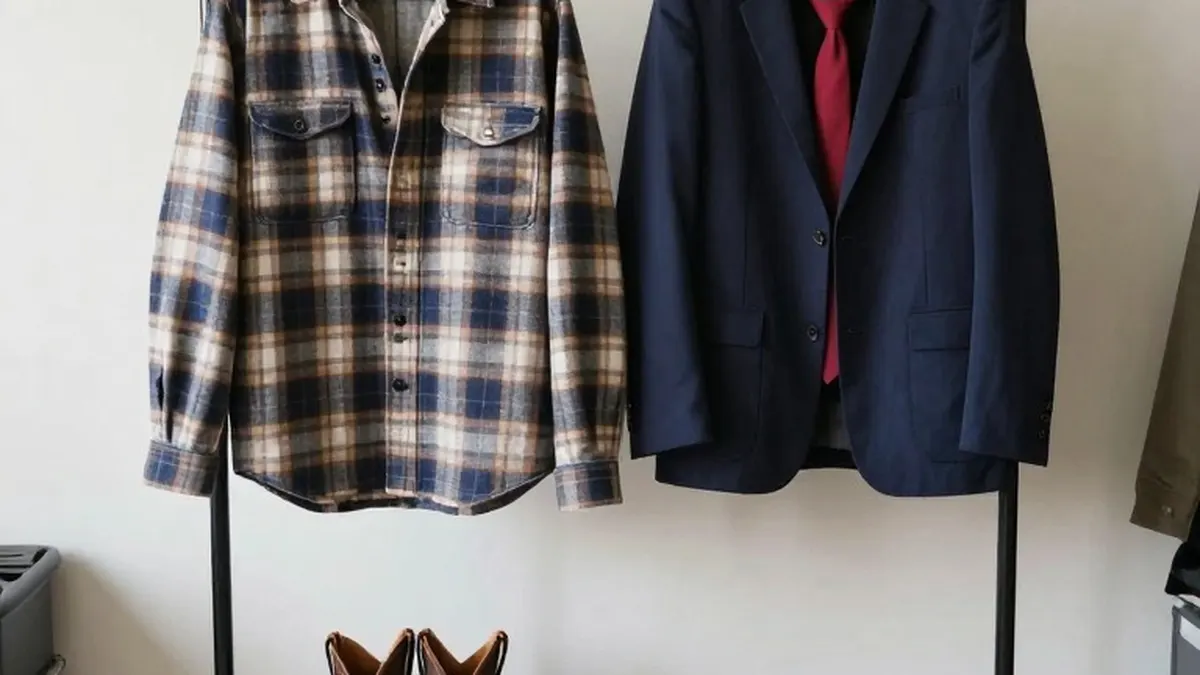
Democrat Marie Gluesenkamp Perez, seeking re-election in Washington's 3rd Congressional District, favours work jackets, flannel shirts, jeans and practical shoes. The former car repair shop owner won a Republican-held seat in 2022 and campaigns on support for small businesses and working families. Conservative public policy adviser Robert Ordway says her appearance fits both her background and the Pacific Northwest. Public policy expert Tashira Halyard sees it as reinforcing her working-class message.
In Alaska, Democratic Senate candidate Mary Peltola wears outdoor clothing that recalls her experience working on a fishing boat on the Kuskokwim River. She wore traditional Yup'ik boots when sworn into Congress in 2022. Conservative journalist Bonnie Kristian says Peltola's flannels, puffer jackets and indigenous-inspired details emphasise her identity as a Native Alaskan, complementing her campaign's focus on fish, family and freedom.
Republican Senate candidate Ashley Hinson of Iowa has adopted a more overtly patriotic style. At a June primary election party, she wore heels decorated with the American flag. Her wardrobe also includes denim, red clothing and bandanas, combinations Halyard describes as classic Americana. Kristian says the look quickly communicates Hinson's Republican identity and appeal to rural voters. Hinson has maintained loyalty to Trump while seeking distance from particular administration policy decisions.
In Texas, Republican Ken Paxton, 63, and Democratic state lawmaker James Talarico, 37, have both appeared in relaxed blazers and cowboy boots. Ordway says their similar choices serve different purposes: the younger candidate seeks to convey seriousness, while the older contender aims for familiarity. Fashion critic Friedman says Talarico's handcrafted Lucchese boots connect with multiple Texas constituencies, noting that former President George W Bush wore the same brand.
Paxton's clothing has also attracted criticism. Trump, who controversially endorsed him over a longtime senator, has disparaged his suit while urging voters to concentrate on his record. Talarico has criticised Paxton's apparent luxury watch and Four Seasons polo shirt as living costs dominate election debate. Zee says casual clothing can still suggest wealth. He notes that the watch's identity and value were unconfirmed, but perceptions of accessories can complicate a campaign message.
Other candidates rely on a recognisable personal uniform. Republican Senator Marsha Blackburn, running for Tennessee governor, regularly wears structured jackets and skirts. Ordway recalls her polished appearance and pearls from his time working on Capitol Hill. Kristian describes Blackburn's style as enduring, resembling clothing Republican women could have worn across the past three decades.
Michigan Democratic Senate candidate Abdul El-Sayed has chosen black V-neck T-shirts and blue jeans. Ordway compares the appearance to that of a start-up entrepreneur, appealing to urban, working-class voters. Zee says it reduces the formality of political appearances and directs attention towards El-Sayed's words, while remaining a deliberate image choice.
Friedman points to Trump's familiar suit and red tie as a particularly successful political uniform, developed before his presidency and adopted by others around him. Looking towards the 2028 general election, she expects clothing to become an increasingly important branding tool as television and social media place greater weight on visual communication.