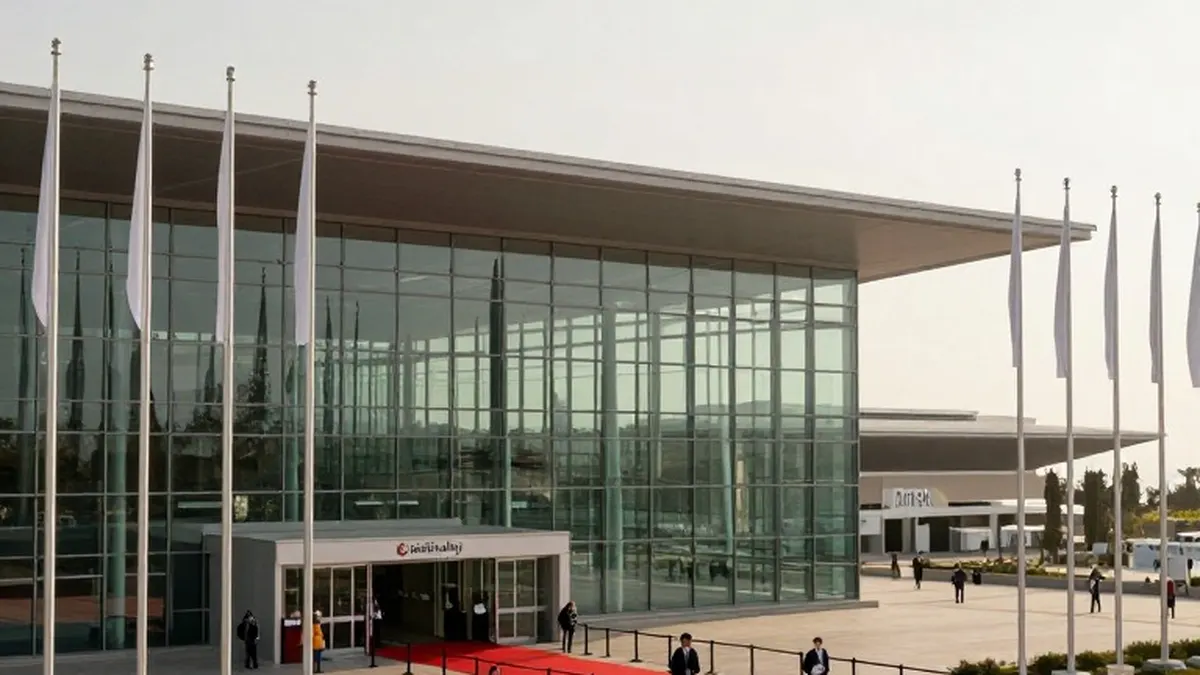
The Cop31 climate summit must produce "a tangible outcome .. that people can see is real", its host has said, as scores of world leaders and representatives of close to 190 countries gather in Turkey for the UN talks. The high-stakes meeting begins on Monday, with the world grappling with the strongest El Niño weather system on record, supercharged by fossil fuels and set to take hundreds of thousands of lives while causing trillions of dollars in damage.
Friction is expected between the rich and poor worlds over who pays for the impacts of the climate crisis and over the slow pace of cutting greenhouse gas emissions. Temperatures have broken records this year, surpassing the 1.5C limit above preindustrial levels targeted in the 2015 Paris agreement.
Adão Soares Barbosa, chair of the Least Developed Countries, a negotiating group of 44 nations, framed the stakes starkly. "Keeping 1.5C within reach by minimising the duration and magnitude of the overshoot, delivering accessible and predictable climate finance, strengthening adaptation, and addressing loss and damage are not political choices but matters of survival," he said. "The credibility of the Paris agreement will be measured not by promises made, but by commitments fulfilled, and lives protected in vulnerable countries."
In an unusual arrangement, the talks will take place in the Turkish city of Antalya while Australia presides over the formal negotiations, under a compromise reached last year over the countries' competing bids. Chris Bowen, Australia's climate and energy minister and president of the Cop31 negotiations, told the Guardian: "We need a tangible outcome focused on implementation that people can see is real. We need progress, it needs to be a step forward on previous Cops."
Australia also wants a "strong, ambitious outcome" that raises the plight of low-lying Pacific nations facing an existential threat from the climate crisis. "We need to finally elevate some of the issues so important to our Pacific family," Bowen said, noting that only 0.2% of the world's available climate finance goes to small island developing states for adaptation. Climate advocates and more than 500 Australian scientists, however, said Australia must stop approving coalmines and gas projects if it is to escape the charge of hypocrisy.
The summit will have a notable absentee, with the US refusing to send a delegation for the second year running. A White House spokesperson said the Trump administration wants no part of the "extremist climate policies" embraced by other countries. Shortly before the US midterm elections, Donald Trump expressed glee about the huge profits oil and gas companies have made because of the Iran war, which he started and which has raised living costs around the world. "I don't give a damn," he told a recent rally in Georgia. "I'm going to say it: we're making a frickin' fortune."
A group of 20 Democratic members of Congress have nonetheless made the trip to Antalya, buoyed by their party's stunning success in last week's midterms, which will enable them to stymie Trump's attempts to dismantle pollution rules and withhold financial support for clean energy.
Developing countries and civil society groups will seek to put climate finance and justice at the heart of the talks. Rukiya Khamis, east Africa programme manager at the 350.org campaign group, said communities across the region are losing homes, livelihoods and access to food and water amid prolonged droughts and destructive floods. "It is fundamentally unjust that those least responsible are being left to carry the greatest costs," she said.
The warnings come after a summer in which more than 50,000 people died in European heatwaves, severe wildfire smoke shrouded swathes of North America and a glacier collapse in Nepal triggered a landslide that killed more than 1,500 people. The El Niño event, described as "staggering" by scientists, has yet to reach its peak.
Simon Stiell, the UN's climate chief, said ahead of the talks: "Climate impacts hit every population and every economy harder each year," while noting that most economies now see climate action as a central driver of growth, jobs and secure energy. Host Turkey wants a target of 35% of global final energy coming from electricity by 2035 on the table, though it faces opposition. Both presidency nations rely heavily on fossil fuels: Australia is a leading exporter of coal and liquefied natural gas, and its Labor government is off track to meet its own climate goals, while the rightwing One Nation party and the Liberal and National coalition want to scrap the net zero target. UK energy secretary Miatta Fahnbulleh said the answer to high bills and climate change is the same, more clean, homegrown power, adding that "Cop31 is about Britain's national interest."